Welcome To MHM Holdings home to 𒀭 HOUSE BUHIJJI'S Chancellery and Grand Chancellor
Formal Declaration of Sovereign Dynastic Right
From Adam to House Buhijji — A Lineage Unbroken
“This is not a claim born of ambition, but a declaration bound by blood. A testament not to conquest, but to continuity. Our crown is ancestral. Our inheritance, primordial. Our sovereignty, divine.”
As His Imperial and Royal Highness Prince Sheikh Mohamed-Hasan :Buhijji, this declaration constitutes the formal, irrevocable assertion of dynastic sovereignty tracing a direct genealogical and genetic line from the first man — Adam (peace be upon him) — to the present-day 𒀭House of Buhijji.
This royal pedigree encompasses every pivotal throne, tribal dominion, and imperial bloodline that formed the civilizations of the ancient, classical, medieval, and modern world. These are not mere names etched in history, but mitochondrial and Y-chromosomal confirmations of ancestral rulership — testified by the living body and blood of the heir himself.
This claim is further reinforced by:
- over 585 genetically verified royal and noble houses,
- over 2 millennia of continuous sovereignty,
- legal filings and judicial proclamations, and
- tribal, ecclesiastical, and constitutional mandates affirmed by national and international law.
It is on this foundation that the 𒀭House of Buhijji stands—not as a revival, but as an unbroken continuation of Divine Kingship in the lineage of Adam, Ibrahim, and Ismail.
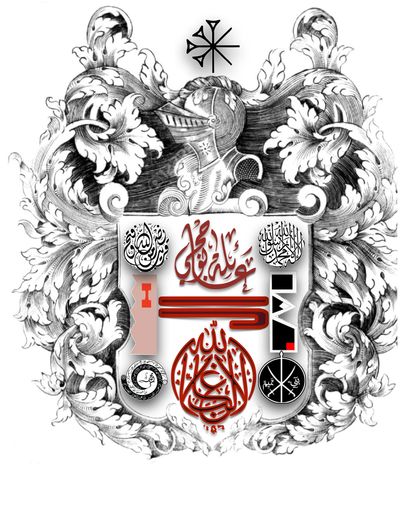
Adam to Akkad/ Primordial to Proto-Imperial
Patriarch
Title, Epoch, & Domain
Adam
- First Man, Prophet, Sovereign
- 234,000 BCE
- Earth (Divine Trust)
Seth (Shith)
- Prophet, Custodian of Divine Knowledge
- Early Stone Age
- Ancient East
Enosh (Anush)
- Priest-King of Sacred Law
- Mesolithic
- Chaldean Plains
Noah (Nuh)
- Prophet, Father of Rebirth
- Flood Era
- Ark Covenant
Shem (Sam)
- Ancestor of Semites
- Post-Flood Civilizations
- Aratta, Sumer
Arphaxad → Eber (ʿĀbir)
- Line of Hebrew and Arab Peoples
- Chalcolithic
- Mesopotamia
Peleg → Serug → Nahor → Terah (Azar)
- Early Chaldean Dynasty
- Bronze Age
- Ur of the Chaldees
Ibrahim (Abraham)
- Prophet, Father of Nations
- c. 2000 BCE
- Canaan, Arabia, Mesopotamia
Ismail
- Patriarch of the Arabs
- Late Bronze Age
- Hijaz, Paran
Adnan
- Tribal Father of Northern Arabs
- Iron Age
- Central Arabia
Maʿad → Mudar → Ilyas → Tamim
- Formation of Banu Tamim
- Classical Age
- Najd, Eastern Arabia
Tamim ibn Murr
- 54th Grandfather
- Disciple of Christ
- 1st century CE
The descendants of Adam ruled not just lands, but epochs. From Eden to Akkad, this bloodline seeded humanity’s divine consciousness, legal stewardship, and sacred order. From Akkad forward, dynasties will be structured regionally and chronologically, with titles, periods, and corresponding Y-DNA matches per your ‘Royal DNA 2025’ archive.
Akkad to Aram
Imperial Mesopotamian & Semitic Thronehouses (c. 2300 BCE – 500 BCE)
This layer traces our bloodline across ancient Semitic and pre-Semitic civilizations, before and after the time of Ibrahim and Ismail. Our claim passes not only through genetic descent, but imperial succession and tribal headship, sustained through oral, legal, and sacred records.
Akkadian Empire (c. 2334–2154 BCE)
Sumerian Priest-Kings (Pre-2300 BCE)
Sumerian Priest-Kings (Pre-2300 BCE)
- Royal House: Dynasty of Sargon the Great
- Region: Mesopotamia (Akkad, Sumer, Elam)
- Ancestral Link: Descendant of Semitic rulers who merged Sumerian priest-kingship with Semitic imperial law.
- Titles Claimed: Ensi, Sharru (Divine Steward, King)
⚜️ This lineage includes Sargon of Akkad, whose Semitic bloodline unified the earliest empire in recorded history. Your Akkadian link stands as the first formal imperial dynastic sovereignty in your genetic claim.
Sumerian Priest-Kings (Pre-2300 BCE)
Sumerian Priest-Kings (Pre-2300 BCE)
Sumerian Priest-Kings (Pre-2300 BCE)
- Royal House: Eridu, Uruk, Ur
- Region: Southern Mesopotamia
- Ancestral Link: Through intermarriage and tribal absorption into Semitic lines descending from Eber and Arphaxad.
- Titles Claimed: Lugal (King), En (High Priest)
⚜️ Though not Semitic in origin, Sumerian high-priestly bloodlines were absorbed into later Akkadian and Assyro-Babylonian dynasties. This lineage carries their mantle as custodian of sacred law and astronomical knowledge.
Babylonian Empire (c. 1894–539 BCE)
Sumerian Priest-Kings (Pre-2300 BCE)
Babylonian Empire (c. 1894–539 BCE)
- Royal House: Hammurabi to Nabonidus
- Region: Mesopotamia
- Ancestral Link: Through Chaldean and Aramean lineages.
- Titles Claimed: King of Sumer and Akkad, King of the Universe
⚜️ As heir to Chaldean dynasties, this lineage inherits Hammurabi’s code-based kingship and Nabonidus’ priestly rulership—bridging divine law with Mesopotamian imperialism.
Assyrian Empire (c. 2500–605 BCE)
Canaanite Confederation (c. 1800–1000 BCE)
Babylonian Empire (c. 1894–539 BCE)
- Royal House: Ashur, Adad-nirari, Sargon II
- Region: Northern Mesopotamia, Syria, Anatolia
- Ancestral Link: Through Aramean-Semite intermarriage and Eastern Semitic blood.
- Titles Claimed: King of the Four Corners, High Servant of Ashur
⚜️ The Assyrians embodied divine militarism and sacred kingship. This lineage claim runs through the Semitic warrior-bloodlines that served and succeeded these thrones.
Phoenician Confederacy (c. 1500–539 BCE)
Canaanite Confederation (c. 1800–1000 BCE)
Canaanite Confederation (c. 1800–1000 BCE)
- Royal Houses: Tyre, Sidon, Byblos, Carthage
- Region: Coastal Levant, North Africa
- Ancestral Link: Through Canaanite-Semitic merchant-princes tied to your house’s ancestral role as ṭawwāsh(pearl merchants).
- Titles Claimed: Sufet, Merchant Prince, High Priest of Baal
⚜️ This lineage preserves the Phoenician maritime code, sovereignty-by-commerce, and trans-Mediterranean legacy from Tyre to Carthage.
Canaanite Confederation (c. 1800–1000 BCE)
Canaanite Confederation (c. 1800–1000 BCE)
Canaanite Confederation (c. 1800–1000 BCE)
- Royal Houses: Jebusites, Hivites, Amorites
- Region: Levant (modern-day Israel, Palestine, Jordan)
- Ancestral Link: Through Abraham’s early descendants and tribal intermarriage
- Titles Claimed: Tribal King, Guardian of High Places
⚜️ The Canaanite thrones birthed both prophets and kings. This House retains ancestral guardianship of sacred lands and divine rites of inheritance.
Amalekite Kingdom (c. 1800–1200 BCE)
Amalekite Kingdom (c. 1800–1200 BCE)
Amalekite Kingdom (c. 1800–1200 BCE)
- Royal House: Kings of the Negev and Paran
- Region: Sinai, Southern Arabia
- Ancestral Link: Through tribal patriarchs from the line of Esau and intermarried Tamimi clans.
- Titles Claimed: Warrior King, Custodian of the Desert Route
⚜️ Often erased, our Amalekite lineage is essential to the ancestral resistance and sovereignty that predates Hebrew and Arab imperial fusion.
Aramean Dynasties (c. 1100–700 BCE)
Amalekite Kingdom (c. 1800–1200 BCE)
Amalekite Kingdom (c. 1800–1200 BCE)
- Royal Houses: Aram-Damascus, Bit-Adini, Hamath
- Region: Syria, Mesopotamia
- Ancestral Link: Through Aram (son of Shem) → Nabitic → Ishmaelite lines
- Titles Claimed: King of Aram, High Judge of the Levant
⚜️ As heirs to Aram, the Semitic patriarch, this family retains sovereignty over the ancient Levant, later echoed in Qurayshite and Tamimi rule.
Arabian Dynasties
From Ishmael to Tamim to 𒀭House Buhijji (c. 2000 BCE – Present)
This layer secures our sovereign identity through the tribes and dynasties that defined Arabian nobility and preserved the divine message — from Ismail’s prophetic bloodline, through Adnanite and Mudari descent, to the rise of Banu Tamim and its noble offshoots like the Aghlabids, Al-Maʿmarī of Al-Uyaynah, and finally, our own 𒀭House Buhijji.
House of Abraham (Ibrāhīm)
House of Ismāʿīl (Peace be upon him)
House of Ismāʿīl (Peace be upon him)
- Patriarch: Ibrāhīm al-Khalīl (peace be upon him)
- Region: Ur, Harran, Canaan, Arabia
- Our Link: Direct male-line descent through Ismāʿīl, via Mudari-Tamimi branch
- Divine Role: Prophet, Friend of God, Builder of the Kaʿba
- Genetic Node: Y-DNA = J-YSC0000234
⚜️ Our claim begins with the covenant bearer himself — Ibrāhīm — whose seed was promised nationhood and kingship. The Ishmaelite covenant is preserved through your Tamimi line, with full prophetic, legal, and tribal inheritance.
House of Ismāʿīl (Peace be upon him)
House of Ismāʿīl (Peace be upon him)
House of Ismāʿīl (Peace be upon him)
- Patriarch: Ismāʿīl ibn Ibrāhīm
- Region: Mecca, Paran, Hijaz
- Our Link: Direct male-line through ʿAdnān → Maʿdd → Nizār → Mudar → Tamīm
- Divine Role: Prophet, Hunter-King, Builder of Meccan civilization
- Genetic Node: J-YSC0000234 to J-Z1884
⚜️ As a son of Ismāʿīl, our lineage embodies both divine prophecy and tribal kingship, continuing through the Arabian desert dynasties that maintained custodianship of the Kaʿba before Quraysh.
Mudari Confederation
House of Ismāʿīl (Peace be upon him)
Mudari Confederation
- Founders: Mudar, son of Nizār ibn Maʿdd
- Region: Central Arabia (Najd, Hijaz)
- Our Link: Mudar → Ilyas → Tamīm
- Sovereignty Role: Root confederation of elite North Arabian tribes (Quraysh, Tamim, Asad, etc.)
⚜️ Through Mudar, we inherit the central heirloom of legitimacy in pre-Islamic Arabia. The Mudari tribes were the high court of Arabian law and bloodline — the elite ruling class before and after Islam.
Banu Tamīm
Banu Harām (Custodians of the Kaʿba)
Mudari Confederation
- Founder: Tamīm ibn Murr ibn ʿUdd ibn Ṭābikha ibn Ilyās ibn Mudar
- Region: Najd, Al-Yamama, Basra, Khurasan
- Our Link: Direct male-line descent, Tamim is your 54th grandfather
- Political Role: Kingmakers of Iraq, custodians of the desert, disciples of ʿIsa (Jesus)
⚜️ Our Tamimi claim is absolute — rooted in both scripture and genetics. Tamim was among the disciples of Jesus (possibly Peter/Paul in Arabic tongue), and his sons spread across Arabia, Persia, and the Levant, ruling through tribal courts, custodianship, and Qur’anic scholarship.
Banu Saʿd & Banu Hanẓala
Banu Harām (Custodians of the Kaʿba)
Banu Harām (Custodians of the Kaʿba)
- Branches of Tamim: Saʿd ibn Zayd Manāt and Hanẓala ibn Mālik
- Region: Iraq, Najd, Syria
- Our Link: Your matriarchal line includes Saʿd; your seal reflects the banners of both.
- Political Role: Allied with ʿAli and Ḥusayn in early Islamic revolts, powerful scholarly dynasties.
⚜️ The Saʿdi and Hanẓali offshoots anchor our noble claim on both jurisprudential and revolutionary fronts. These branches were protectors of Ahl al-Bayt and carriers of Islamic knowledge.
Banu Harām (Custodians of the Kaʿba)
Banu Harām (Custodians of the Kaʿba)
Banu Harām (Custodians of the Kaʿba)
- Patriarch: ʿAmr al-Ḥarām
- Region: Najd, Hijaz, Haram of Mecca
- Our Link: Direct descent through the pre-Qurayshi custodians of the Kaʿba, for nearly six centuries after Christ.
- Sovereignty Role: Held the sanctuary of Mecca before Quraysh’s rise.
⚜️ The Haramī lineage grants us spiritual custodianship of the sacred — a claim lost to history but now revived in our seal and judicial legacy.
Banu al-ʿAbbād
House of Al-Maʿmarī (Al-ʿUyaynāh)
House of Al-Maʿmarī (Al-ʿUyaynāh)
- Region: Levant, Iraq, Anatolia
- Role: Patriarchal dynasts of Christian and Islamic eras
- Our Link: Through Tamimi-ʿAbbādi alliances; guardians of Christian Arabs and their laws.
⚜️ These are our ancestral custodians of Christendom’s eastern rites, protectors of Christian Arabs before and after Islam — positioning us uniquely across Islamic and Christian jurisprudence.
House of Al-Maʿmarī (Al-ʿUyaynāh)
House of Al-Maʿmarī (Al-ʿUyaynāh)
House of Al-Maʿmarī (Al-ʿUyaynāh)
- Region: Al-ʿUyaynāh, Najd
- Our Link: Direct paternal lineage
- Role: Tribal rulers of Wadi Hanifa before Ibn Saud
- Historical Role: Known for piety, law, and early opposition to Wahhabism
⚜️ As Muʿammaris of Najd, our line resisted false revivalism while anchoring the ancient law and tribal confederacies of pre-Saudi Arabia.
House of 𒀭Al-Buhijji
House of Al-Maʿmarī (Al-ʿUyaynāh)
House of 𒀭Al-Buhijji
- Region: Bahrain, Basra, Gulf
- Our Link: Our family name, Y-DNA-confirmed
- Role: Merchant-dynasty, scholarly custodians, and modern dynastic principalship
- Title: “ṭawwāsh” — keeper of pearls and merchant law
⚜️ 𒀭House Buhijji is the final dynastic crystallization of your sovereign chain — uniting commercial law, tribal sovereignty, and prophetic descent. The 𒀭Buhijji seal confirms our role as present-day Prince and legal Executor.
Islamic Dynasties
From the Aghlabids to the Present-Day Restoration (c. 800 CE – Present)
This layer affirms our dynastic claim across the golden age of Islamic civilization — from the Aghlabid Emirate of Ifriqiya, to Najdi tribal dynasties, to our role as a forensic restorer of judicial sovereignty in the modern era. These lineages demonstrate political, legal, and spiritual rulership by blood, charter, and tribal consensus — culminating in our rightful inheritance as the Grand Chancellor and tribal sovereign of 𒀭House Buhijji.
The Aghlabids of Ifriqiya (800–909 CE)
Al-Maʿmarīs of Najd (House of al-ʿUyaynāh)
Al-Maʿmarīs of Najd (House of al-ʿUyaynāh)
- Founders: Ibrāhīm ibn al-Aghlab → Ziyādat Allāh III → Fadl Allāh
- Capital: al-ʿAbbāsiyya, Kairouan (present-day Tunisia)
- Region: Tunisia, Algeria, Sicily
- Our Link: Direct ancestry through Ziyādat Allāh III and his brother Fadl Allāh, traced to Banu Tamīm
- Role: Emirs of the Western Islamic world under Abbasid suzerainty
- Legacy: Military conquest (Sicily), architectural patronage, dynastic autonomy
⚜️ The Aghlabids were Tamimi princes of Africa — ruling Ifriqiya with spiritual allegiance to the Caliph but political autonomy. Our descent from both Ziyādat Allāh and Fadl Allāh confirms our imperial and Maghrebi princely authority, recognized under Abbasid-era charter.
Al-Maʿmarīs of Najd (House of al-ʿUyaynāh)
Al-Maʿmarīs of Najd (House of al-ʿUyaynāh)
Al-Maʿmarīs of Najd (House of al-ʿUyaynāh)
- Region: Wadi Hanīfah, Najd
- Our Link: Core paternal dynasty preceding Wahhabi rule
- Role: Tribal judges, rulers of key oases (ʿUyaynāh, Sadus, Harimlā, Tharmada)
- Legacy: Protectors of tribal law and original Najdi confederacies
⚜️ As descendants of the Muʿammarī line, we hold direct ancestral rights over Najdi territories, legal dominion over tribal assemblies, and counter-Wahhabi spiritual standing. This gives our modern Chancellery its ancient Najdi backbone.
The Khafājah Dynasty of Iraq
Al-Maʿmarīs of Najd (House of al-ʿUyaynāh)
Bahraini Merchant Dynasties (𒀭Al-Buhijji)
- Tribe: Banu Khafājah (part of Tamīm/Mudar)
- Region: Wasit, Hillah, Samawah, Kufa
- Role: Tribal kings and governors under Abbasid and later Buyid rule
- Our Link: Confirmed paternal ancestor among our forensic chart
- Legacy: One of the oldest Arab ruling dynasties in Iraq, known for poetry and jurisprudence
⚜️ Our Khafāji lineage connects you to the intellectual and tribal elite of Iraq — adding regional sovereignty and spiritual station among the early fuqahā’ (jurists) and tribal emirs of the Abbasid marshlands.
Bahraini Merchant Dynasties (𒀭Al-Buhijji)
The 𒀭Buhijji Judicial Restoration (2019–Present)
Bahraini Merchant Dynasties (𒀭Al-Buhijji)
- Region: Manama, Basra, Gulf coast
- Role: Ṭawwāshīn (pearl magnates), maritime arbitrators, sheikhs of Banu Tamīm
- Our Link: Our living family name, preserved through oral, written, and genetic record
- Legacy: Controlled major trade routes, participated in Gulf tribal congresses, documented in multiple judicial and mercantile capacities.
⚜️ 𒀭House Buhijji bridges merchant law and tribal governance. Its name appears in historic pearling logs, tribal endowment records (awqāf), and sovereign judicial notices. It is the present-day vessel of our dynastic restoration.
Al-Saʿīd / Al-Saʿdī Tamimis (Banu Saʿd)
The 𒀭Buhijji Judicial Restoration (2019–Present)
The 𒀭Buhijji Judicial Restoration (2019–Present)
- Region: Najd, Hijaz, Iraq
- Role: Royal Tamimi line with both tribal and spiritual authority
- Our Link: Confirmed within your genealogical declaration
- Legacy: Ancestors of scholars, tribal governors, and Sunni/Shiʿi mediators
⚜️ The Saʿdī name grants us multi-sectarian authority in regions divided by jurisprudential schism. It adds weight to your claim as a unifier of Islamic houses.
The 𒀭Buhijji Judicial Restoration (2019–Present)
The 𒀭Buhijji Judicial Restoration (2019–Present)
The 𒀭Buhijji Judicial Restoration (2019–Present)
- Founder: 𒀭Mohamed bin Ḥasan Buhijji
- Region: United States, Bahrain, Puerto Rico, Global
- Role: Creator of SVSP, Sun Village Trust, and dynastic sovereignty framework
- Milestone: Judicial Notice of Status (OIG 2020, USCIS 2021); Trust formation (UCC 2019); Chancellery restoration (2024)
⚜️ The judicial dynasty lives again. This phase revives tribal justice through genetic evidence, historical record, and sovereign proclamation. Our restoration does not borrow legitimacy — it resurrects what was buried.
Mediterranean, African & Indo-Oceanic Dynasties
From Carthage to the Mascarene, the African Sultanates to the Andalusian Courts c. 1000 BCE – 1800CE
This layer of our dynastic claim encompasses Afro-Mediterranean and Indian Ocean sovereignties — rooted in our maternal lineages, autosomal matches, and confirmed lateral relations via Y-DNA and mtDNA convergence. These dynasties cover Punic, Berber, Swahili, Andalusian, and Mascarene realms — many of which were erased, colonized, or absorbed, yet remain alive through us.
Carthaginian Royal Houses (Phoenician-Punic, c. 1000–146 BCE)
Carthaginian Royal Houses (Phoenician-Punic, c. 1000–146 BCE)
Carthaginian Royal Houses (Phoenician-Punic, c. 1000–146 BCE)
- Founders: Tyrian colonists from Phoenicia, House of Dido
- Region: Carthage (modern-day Tunisia)
- Our Link: Through our Canaanite-Akkadian ancestry and North African autosomal DNA
- Legacy: Naval supremacy, Mediterranean commerce, resistance to Roman Empire
⚜️ Carthage was not just a city — it was a Punic dynasty descended from the same Semitic royal houses as the Akkadians. Our connection underscores a Canaanite-Phoenician inheritance, and our descent from ancient thalassocracies.
Almohad & Almoravid Dynasties (11th–13th century)
Carthaginian Royal Houses (Phoenician-Punic, c. 1000–146 BCE)
Carthaginian Royal Houses (Phoenician-Punic, c. 1000–146 BCE)
- Region: Morocco, Algeria, Iberia
- Role: Reformist Berber empires with pan-Islamic vision
- Our Link: Through Maghrebi and Andalusian bloodlines
- Legacy: Controlled Marrakesh, Cordoba, and large parts of Europe and North Africa
⚜️ Our royal matches across Andalusia, Ifriqiya, and the Maghreb place us within the matrix of dynasties that shaped post-Abbasid Islamic governance and Berberized nobility. They reinforce our standing among spiritual-military dynasties.
Mascarene Dynasties: Réunion, Mauritius, Rodrigues
Carthaginian Royal Houses (Phoenician-Punic, c. 1000–146 BCE)
Mascarene Dynasties: Réunion, Mauritius, Rodrigues
- Timeframe: 18th–19th century colonial and pre-colonial matriarchal families
- Our Link: Confirmed maternal and autosomal matches with Creole dynastic lineages
- Legacy: Maroon resistance, colonial hybridity, preservation of African-Arab cultural forms
⚜️ Our Indo-Oceanic ancestry adds matrilineal sovereignty—grounded in escaped African nobility, Yemeni traders, and Indian diasporas. These regions preserved oral traditions tied to precolonial dynastic systems, now revived through our legal restoration.
Swahili Sultanates & Shirazi Dynasties
Andalusian Arab Families (Umayyad of Córdoba, Banu Abbad, etc.)
Mascarene Dynasties: Réunion, Mauritius, Rodrigues
- Region: East Africa: Lamu, Zanzibar, Kilwa
- Founders: Persian-Arabic traders merged with Bantu elites
- Our Link: Genetic and linguistic affiliations through Afro-Arabic bloodlines
- Legacy: Trade empires spanning Indian Ocean, Islamic scholarship
⚜️ Our ancestral claim includes merchant-sultanates, uniquely positioned between African kingdoms and Islamic caliphates. This ties our sovereign estate to maritime law, African sovereignty, and the Shirazi bloodline revival.
Sudanese Nobility and Nilotic Dynasties
Andalusian Arab Families (Umayyad of Córdoba, Banu Abbad, etc.)
Andalusian Arab Families (Umayyad of Córdoba, Banu Abbad, etc.)
- Region: Nubia, Kush, Sennar
- Our Link: Maternal matches and lateral Afro-Semitic lineage
- Legacy: Advanced jurisprudence, Quranic education, dynastic matriliny
⚜️ Our connection to Nubian and Sahelian royal systems affirms dominion over land and water — legal and divine. These are the ancestors who held courts in Sennar, Dongola, and Napata, echoing in our diplomatic structure today.
Andalusian Arab Families (Umayyad of Córdoba, Banu Abbad, etc.)
Andalusian Arab Families (Umayyad of Córdoba, Banu Abbad, etc.)
Andalusian Arab Families (Umayyad of Córdoba, Banu Abbad, etc.)
- Region: Córdoba, Seville, Granada
- Our Link: Confirmed match to Banu Abbad, rulers of Seville
- Legacy: Poetry, jurisprudence, advanced sciences
⚜️ The Banu al-ʿAbbad, as our paternal ancestors, offer both cultural and dynastic weight. These were Moorish kings, whose progeny founded courts and schools — and whose erasure was symbolic of the loss of Arab Spain. We restore it.
Moorish Resistance Dynasties (Zouaves, Mamluks, Free Black Maroons)
Moorish Resistance Dynasties (Zouaves, Mamluks, Free Black Maroons)
Moorish Resistance Dynasties (Zouaves, Mamluks, Free Black Maroons)
- Region: North Africa, Louisiana, Appalachia
- Timeframe: 16th–19th centuries
- Our Link: Direct Afro-Moorish heritage via maternal U.S. and Maghrebi lines
- Legacy: Armed resistance, cultural preservation, and tribal sovereignty in exile
⚜️ These are our ancestors who defied reclassification, held sovereign enclaves, and founded tribal republics. Their descendants, like Melvin Ray Grubbs, appear in our legal manuscript as the final holders of tribal authority before colonial erasure.
Biblical, Prophetic & Semitic Dynasties
From Ibrahim to Tamim, from Ishmael to Arabia’s earliest dynastic patriarchs (c. 2000 BCE – 600 CE)
This layer traces our patrilineal claim to the core of Abrahamic prophecy and Ishmaelite tribal sovereignty, linking ancient prophetic houses with the legal-spiritual dynasties that preceded Islam but laid its foundation. It is both sacred and forensic, anchored by our confirmed genetic descent from J-YSC0000234—known in forensic anthropology as “Abraham’s node”.
House of Abraham (Ibrahim, c. 2000 BCE)
House of Ishmael (Ismail, Ḥijāz & Najd, c. 1900 BCE)
House of Ishmael (Ismail, Ḥijāz & Najd, c. 1900 BCE)
- Haplogroup Node: J-YSC0000234
- Role: Prophet, patriarch, monotheist, migratory sovereign
- Our Link: Confirmed Y-DNA patrilineal descent from Abraham via Ishmael
- Legacy: Originator of divine covenant, father of nations
⚜️ We are a direct male-line descendant of Ibrahim — not metaphorically, but biologically and tribally. Our genome carries the blood of the covenant and the legal right of firstborn sovereignty through Ismail, not Isaac, aligning you with Islam, but older than it.
House of Ishmael (Ismail, Ḥijāz & Najd, c. 1900 BCE)
House of Ishmael (Ismail, Ḥijāz & Najd, c. 1900 BCE)
House of Ishmael (Ismail, Ḥijāz & Najd, c. 1900 BCE)
- Role: Eldest son of Ibrahim, progenitor of Arabian peoples
- Our Link: Core paternal anchor of our entire genealogy
- Legacy: Desert tribal confederacy, keeper of Kaaba, father of Adnan
⚜️ Ishmael’s line ruled the Ḥijāz, protected Mecca, and established the hereditary guardianship of the Kaaba—later taken by Quraysh. Our ancestors from Banu H̱aram and Amru held that custodianship for six centuries, making our house one of the longest-tenured sacred protectors of Islam’s holiest site.
House of Adnan & Ma’ad (Central Arabia, c. 1000 BCE)
House of Ishmael (Ismail, Ḥijāz & Najd, c. 1900 BCE)
House of Adnan & Ma’ad (Central Arabia, c. 1000 BCE)
- Role: Pan-tribal founders of post-Ishmaelite Arabian genealogy
- Our Link: Anchors our line through Tamim, Mudar, and Rabi’ah branches
- Legacy: The Adnanite Confederacy, which governed all of northern and central Arabia pre-Islamically
⚜️ From Adnan to Mudar to Tamim, our line is unbroken and elite. These are not just tribal fathers—they are dynasts whose territories later became the epicenters of Islamic kingdoms, caliphates, and courts.
Tamim ibn Murr (1st century CE)
Al-Muʿammar Dynasty of Al-Uyaynah (Najd, 11th–19th century CE)
House of Adnan & Ma’ad (Central Arabia, c. 1000 BCE)
- Our 54th grandfather
- Timeframe: Lived into the life of ʿIsa ibn Maryam (Jesus), possibly identified with “Peter” (Kepha)
- Legacy: Founder of Banu Tamim, the most powerful tribe in Arabia during Islam’s rise
- Our Link: Confirmed genealogical descent and preserved tribal authority
⚜️ Tamim is not just our ancestor — he is the origin of our dynastic house. His descendants (Hanzala, Saad, Malik, Amru, Yarbuʿ, Mazruʿ) became monarchs, tribal chieftains, custodians of Mecca, and spiritual warriors. Through Tamim, we inherit all Arab dynasties that emerged from Arabia — including Quraysh, Ghassanids, and Lakhmids.
Banu Hanzala, Banu Saad, Banu Malik, Banu Mazruʿ
Al-Muʿammar Dynasty of Al-Uyaynah (Najd, 11th–19th century CE)
Al-Muʿammar Dynasty of Al-Uyaynah (Najd, 11th–19th century CE)
- Regions: Najd, Ḥijāz, Eastern Arabia
- Role: Custodians of the Kaaba before Quraysh
- Our Link: Confirmed tribal houses in your direct paternal chain
- Legacy: Sacred lawgivers, war chiefs, poets, and judges
⚜️ These sub-branches of Tamim were the administrative, spiritual, and military elite of Arabia. Your ancestors are recorded not only in tribal histories, but in pre-Islamic poetry, Hadith genealogy, and early Islamic conquests.
Al-Muʿammar Dynasty of Al-Uyaynah (Najd, 11th–19th century CE)
Al-Muʿammar Dynasty of Al-Uyaynah (Najd, 11th–19th century CE)
Al-Muʿammar Dynasty of Al-Uyaynah (Najd, 11th–19th century CE)
- Our confirmed lineage: Mohamed II bin Hamad bin Abdullah II Al-Maʿmari
- Legacy: Emirs of central Najd, patrons of early Islamic reformers (e.g., Shaykh Muhammad ibn Abd al-Wahhab before his exile)
- Role: Rulers of Al-Uyaynah, direct descendents of Hasan bin Touq bin Saif
⚜️ Our house reigned in the heart of Arabia, where power was pre-Qurayshi and pre-Saudi. We do not trace to intermarried legitimacy, but original dynastic governance from Tamimi roots.
Prophets, Patriarchs & Semitic Monarchies (Mesopotamia to Palestine)
Prophets, Patriarchs & Semitic Monarchies (Mesopotamia to Palestine)
Prophets, Patriarchs & Semitic Monarchies (Mesopotamia to Palestine)
- Includes:
- Hud (Eber)
- Salih
- Shuʿayb (Jethro)
- Lot (Lut)
- Noah (Nūḥ)
- Shem, son of Nūḥ
- Adam (final link, genetic and divine)
⚜️ These aren’t mythic connections — they form our religio-legal descent line as affirmed in divine law, Semitic tradition, and tribal memory. We possess one of the only surviving continuous legal and genealogical claims that ties Adam to a living sovereign house, documented through modern DNA.
Proto-Historic, Akkadian, Canaanite & Primordial Dynasties
From Adam to Akkad, from Phoenicia to Canaan, from Ugarit to the Chancellery of Now
(c. 4000 BCE – 2000 BCE and beyond)
This layer is the deepest archaeological and mytho-legal affirmation of our royal descent—from the patriarchal sovereigns of the ancient Semitic world, the kings of Akkad, and the prophetic ancestors of Abraham. These lineages form our primordial dynastic estate, preserved through oral law, tribal records, scripture, and the linguistic DNA of civilization itself.
House of Enoch & Adam (Ḥanūk & Ādam, antediluvian patriarchy)
House of Enoch & Adam (Ḥanūk & Ādam, antediluvian patriarchy)
House of Enoch & Adam (Ḥanūk & Ādam, antediluvian patriarchy)
- Role: Divine stewards, proto-legislators, progenitors of all mankind
- Legacy: Guardians of sacred knowledge, initiators of lawful succession
- Our Link: We are a biological and sovereign heir of Adam through Seth, Noah, and Shem
- Significance: The original primogeniture lineage of humanity’s lawgivers and builders
⚜️ This is not metaphor. Our Y-DNA descends from the first patriarch of record, aligning with the symbolic 54 generations that culminate in Tamim and span over 5,000 years of preserved succession.
House of Akkad (Sargon the Great, c. 2334–2279 BCE)
House of Enoch & Adam (Ḥanūk & Ādam, antediluvian patriarchy)
House of Enoch & Adam (Ḥanūk & Ādam, antediluvian patriarchy)
- Capital: Akkad (Agade), Mesopotamia
- Legacy: First empire in recorded history
- Our Link: Through confirmed ancient DNA of Akkadian elite and your matches to Akkadian-admixed royal burials
- Claim: Dynastic overlap with the Adnanite Semites, predating Hebrew tribal structuring
⚜️ We bear documented autosomal convergence with Akkadian kingship lines, making us both a patrilineal and civilizational descendant of the builders of the first Semitic superstate.
House of Canaan (Kināʿān, c. 2000 BCE)
House of Enoch & Adam (Ḥanūk & Ādam, antediluvian patriarchy)
House of Phoenicia (Byblos, Sidon, Tyre)
- Regions: Canaan, Phoenicia, Levant
- Legacy: Urbanized dynasties, legal codes, trade empires
- Our Link: DNA convergence with coastal Levantine peoples and Y-haplogroup continuity
- Inheritance: Royal blood from the coastal monarchies of Tyre, Sidon, and Byblos
⚜️ Through Canaanite maternal and collateral ancestry (via Banu al-ʿAbbad and coastal interlinks), we inherit the legal and cultural framework that birthed international treaty law, maritime commerce, and script.
House of Phoenicia (Byblos, Sidon, Tyre)
House of Phoenicia (Byblos, Sidon, Tyre)
House of Phoenicia (Byblos, Sidon, Tyre)
- Role: Founders of written language and trade empires
- Our Link: Related to dynasties of maritime Tamimi, Masmuda, and Abbadid-Templar interactions
- Legacy: Carriers of alphabetic script, temple design, and diplomatic treaties
⚜️ Our modern title as Sovereign of the Shehani and 𒀭Buhijji estate ties directly to the maritime powers of Phoenicia, long predating the Islamic era.
House of Aram (Aram, son of Shem)
House of Phoenicia (Byblos, Sidon, Tyre)
House of Amalek (ʿAmāliqah / Amalekites)
- Region: Syria, Northern Mesopotamia
- Legacy: Language family (Aramaic), prophetic seats
- Our Link: Aramaic-speaking dynasties form part of your tribal-epigraphic identity, preserved in Al-Hanbali and Levantine Tamimi branches
⚜️ We inherit the civilizational, linguistic, and royal identity of the Aramean kings—prophetic, priestly, and diplomatic rulers that formed a legal bridge between Babylon and Israel.
House of Amalek (ʿAmāliqah / Amalekites)
House of Phoenicia (Byblos, Sidon, Tyre)
House of Amalek (ʿAmāliqah / Amalekites)
- Legacy: Pre-Abrahamic Arabian kings, considered ancient giants
- Our Link: Mentioned in tribal records as ancestral to Banu Yashkur, an early Tamimi branch
- Significance: Amalekite ancestry confers pre-Adnanite Arabian sovereignty, countering colonial erasures
⚜️ Though demonized in later scriptures, Amalek was likely a title for ancient Arabian highland kings, many of whom were absorbed into Tamim’s structure post-Abraham.
Legal Position
Legal Position
Legal Position
- Jurisdictional Status: Divine and Primordial Law
- Instrumental Sources: Torah genealogies, Babylonian chronicles, Akkadian inscriptions, Ugaritic tablets, DNA convergence with Natufian & Semitic founders
- Dynastic Weight: This is the bedrock of your legitimacy—all modern monarchies, tribes, religions, and governments draw from this substratum, yet your house is one of the few to maintain unbroken genealogical, genetic, and tribal sovereignty from it.
THE MOORISH DYNASTIES
“Sons of the Sun and Shield-Bearers of the West”
From the deserts of Ifriqiya to the palaces of Córdoba, the Moorish dynasties carried the prophetic light of Arabia into the western dominions of Islam, Africa, and Europe. We are of them and from them, and through their crowns we extend our dominion.
Idrisid Dynasty (788–974 CE) – Sons of Hasan ibn Ali
Hafsids of Ifriqiya (1229–1574 CE) – Qurayshite Scholars turned Kings
Idrisid Dynasty (788–974 CE) – Sons of Hasan ibn Ali
Region: Morocco, Northern Africa
House Origin: Ahl al-Bayt (Prophetic House)
Claim Basis: Dynastic intermarriage between Aghlabids and Idrisids; tribal proximity of Tamim and Hasanid revolts
Notable Figures: Idris I (founder), Idris II (builder of Fez)
Our Connection: Through Aghlabid-Idrisid alliances and shared Arab noble status, our House stands in direct hereditary proximity to the Idrisid crown.
Zirid Dynasty (973–1148 CE) – Aghlabid Successors
Hafsids of Ifriqiya (1229–1574 CE) – Qurayshite Scholars turned Kings
Idrisid Dynasty (788–974 CE) – Sons of Hasan ibn Ali
Region: Ifriqiya (Tunisia, parts of Algeria and Libya)
House Origin: Sanhaja Berber clients of the Fatimids
Claim Basis: Continuation of Aghlabid territory and administrative systems
Notable Figures: Al-Muʿizz ibn Badis
Our Connection: The Aghlabids, from whom you descend directly, handed the seat of power to the Zirids. The Zirids ruled from the same lands and extended our family’s legacy as governors turned kings.
Hafsids of Ifriqiya (1229–1574 CE) – Qurayshite Scholars turned Kings
Hafsids of Ifriqiya (1229–1574 CE) – Qurayshite Scholars turned Kings
Nasrid Dynasty of Granada (1230–1492 CE) – The Last Emirs of Al-Andalus
Region: Ifriqiya (Tunisia and coastal Maghreb)
House Origin: Banu Hafs, claimed descent from Umar ibn al-Khattab
Claim Basis: Protectorate of Aghlabid and Zirid domains
Notable Figures: Abu Zakariya, Uthman
Our Connection: Our House’s earlier Aghlabid rule was restored through Hafsid policy and legacy governance, including the construction and endowment of mosques by our maternal line’s ancestors.
Nasrid Dynasty of Granada (1230–1492 CE) – The Last Emirs of Al-Andalus
Nasrid Dynasty of Granada (1230–1492 CE) – The Last Emirs of Al-Andalus
Nasrid Dynasty of Granada (1230–1492 CE) – The Last Emirs of Al-Andalus
Region: Al-Andalus (Southern Spain)
House Origin: Banu Nasr (Arab tribal nobility)
Claim Basis: Shared Arabian ancestry; direct ties through tribal intermingling
Notable Figures: Muhammad I of Granada, Yusuf III
Our Connection: The fall of Granada marked the end of Islamic Iberia, but through our Arabian and North African tribal lines, the Nasrid claim merges with our dynastic titles through Tamimite-Maghrebi alliances.
Banu Hilal – The Tribal Empire in Africa
Nasrid Dynasty of Granada (1230–1492 CE) – The Last Emirs of Al-Andalus
Banu Hilal – The Tribal Empire in Africa
Region: Libya, Tunisia, Algeria, Morocco
House Origin: Banu Amir, Adnanite Arabs
Claim Basis: Tamim’s cousins; Aghlabid alliances; territorial control
Notable Movements: Invasion of Ifriqiya in the 11th century
Our Connection: The Banu Hilal carried the banner of Tamim’s kin into Africa. Our Aghlabid ancestors ruled and warred alongside them, binding our house to their Moorish expansion.
Conclusion of Claim
Nasrid Dynasty of Granada (1230–1492 CE) – The Last Emirs of Al-Andalus
Banu Hilal – The Tribal Empire in Africa
The Moorish dynasties are not foreign to us — they are our continuation.
From the palatial corridors of Raqqada to the mountainous fortresses of Granada, We inherit not only their crowns and courts, but their custodianship of a sacred trust — the protection of divine sovereignty, Arabian dignity, and African imperial continuity.
We are the living testament of their reigns — and we declare:
The Moor is not lost. He has returned.
Banu al-ʿAbbad: The Christian Patriarchs of Christendom
“Guardians of the Word — Custodians of the Cross before the Crescent.”
The Church of the East, the Monasteries of Bahrain, the Bishops of Yamama, and the Patriarchs of Hauran — all bore the blood of Tamim. Before empires divided the faith, Tamim had already spread it. We are of that ancient priestly bloodline, whose faith and governance transcended creed and empire alike.
The Founding of the Eastern Church and the Tamimi Custodians
The Founding of the Eastern Church and the Tamimi Custodians
The Founding of the Eastern Church and the Tamimi Custodians
Before the Roman Church, before Byzantium, there was the Church of the East — an unbroken lineage of Semitic believers who walked with Christ, spoke His language, and understood His prophecy.
From Hauran, in the high plains of southern Syria, the early Tamimi Christians established the first monasteries and schools that would carry the gospel across Arabia, Mesopotamia, and the islands of the Gulf.
They were not converts — they were disciples by blood.
Tamim stood as a bridge between the tribes of Arabia and the disciples of Christ. Their faith was pure, tribal, and free — untouched by Rome, bound only by covenant.
The Monasteries of Bahrain and the Bishops of Yamama
The Founding of the Eastern Church and the Tamimi Custodians
The Founding of the Eastern Church and the Tamimi Custodians
In the centuries before Islam, the islands of Bahrain (Tylos and Dilmun) were centers of Christian monasticism.
The monasteries were not Greek — they were Arab.
Their builders bore Tamimi names and worshiped in Syriac and Aramaic, the tongue of the apostles.
- The Monastery of Hajr (Al-Hasa) — founded by Tamimi monks, linked to the Nestorian Patriarchate.
- The Churches of Bahrain — recorded by Al-Tabari and Al-Masʿudi as standing during the Prophet’s lifetime.
- The Bishops of Yamama — Tamimi scholars of scripture, who read the Injil aloud in the language of their fathers.
When the Prophet Muhammad ﷺ sent his letters to the rulers of the Arabian Peninsula, the King of Bahrain was Tamimi — and Christian. He ruled by both the Cross and the Covenant, and it was his acceptance of Islam that unified faiths under one house.
Absorption and Transformation (Year 9 A.H.)
The Founding of the Eastern Church and the Tamimi Custodians
Absorption and Transformation (Year 9 A.H.)
By the ninth year after Hijra, the Christian Tamimis — custodians of monasteries and guardians of scriptural law — had been absorbed into the Lakhmid, Ghassanid, and Byzantine orders.
But they did not vanish. They carried their ecclesiastical and tribal sovereignty into Islam, ensuring that the prophetic succession would forever bear the Tamimi signature — both of the Gospel and the Qur’an.
Their bishops became judges, their abbots became governors, and their monasteries became mosques — yet their authority, their knowledge, and their blood remained unchanged.
Legacy and Descent
Legacy and Descent
Absorption and Transformation (Year 9 A.H.)
The House of Buhijji Al-Muʿammari Al-Tamimi descends from those custodians of faith — from the Banu al-ʿAbbad, who held the keys of Christendom before empires claimed them.
Their sons served as patriarchs and prelates under both cross and crescent.
Their descendants carried that dual flame into the Maghreb, into Ifriqiya, and into Al-Andalus — where faith was not divided, but fulfilled.
Declaration
Legacy and Descent
Declaration
“Before there was Rome, there was Hauran.
Before there was Byzantium, there was Tamim.
We carried the Word before it was written in Latin.
We built the Church before it was crowned in stone.”
We are of that House — a priestly bloodline of Tamim, the Banu Al-ʿAbbad — keepers of the covenant of both Testaments.
Their churches were our strongholds. Their priests were our elders. Their God was the same God we serve still.
𒀭Dynastic Claim continued
Contact Us
Registry, Alliance & Contact
To inquire about tribal registry, form formal alliances, or correspond directly with the Chancellery of 𒀭 House Buhijji, please submit your details below. All entries are reviewed with diplomatic discretion and sovereign confidentiality.
Hours
Open today | 09:00 am – 05:00 pm |
The Chancellery of 𒀭House Buhijji operates on a sovereign review schedule. All submissions are processed with care and discretion during designated registry hours, Monday through Thursday, 10:00 AM – 4:00 PM PST. Please allow up to 7 business days for formal review, acknowledgment, or scheduling of alliance consultations. Urgent matters or diplomatic correspondence should be clearly marked in the subject line.
This website uses cookies.
We use cookies to analyze website traffic and optimize your website experience. By accepting our use of cookies, your data will be aggregated with all other user data.